
3x
more consultations booked
“People calling me are scared. They get a calm voice instead of voicemail. By the time I call back, they're ready to retain.”
David Wiederman
Bankruptcy Attorney (New York)
Stop losing claimants to voicemail. NextPhone screens callers, captures denial-letter dates, work history, and treating physicians, and books appeal consultations into your calendar - even at 2 AM.

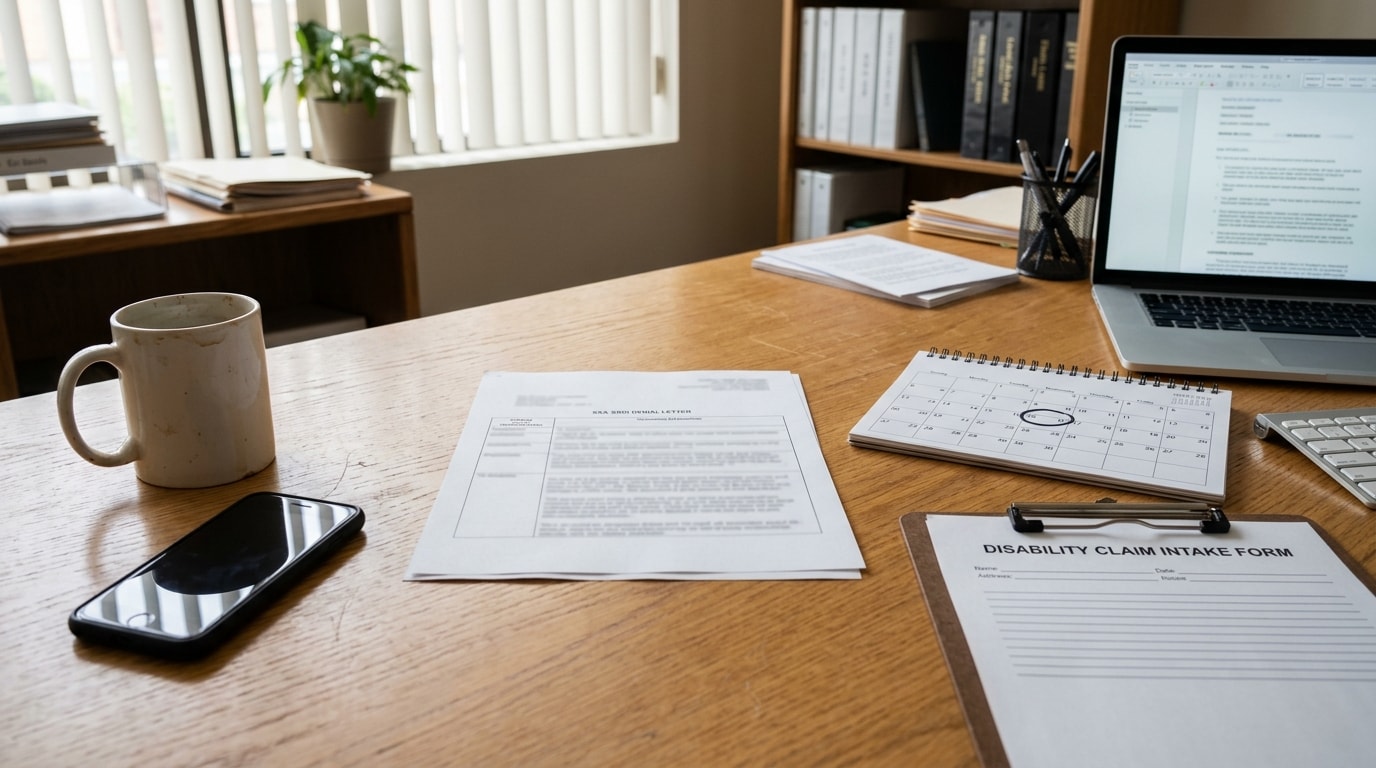
Hear it: a sample disability intake call
An SSDI denial intake: 60-day appeal window. Listen for the precise deadline calculation from the letter date, condition and treating-physician capture, the deadline-active flag, and a texted link to book a same-week consult.
Disability practice is unforgiving on intake. A claimant with a fresh SSDI denial has exactly 60 days to file a request for reconsideration before the claim restarts from zero. By the time most claimants get around to calling an attorney, two or three weeks of that window are already gone. If they reach voicemail and you call back the next morning, they have already moved on to the next firm on Google.
Most disability firms cannot justify a full-time intake specialist. The economics are tight: fees are capped at 25% of past-due benefits up to roughly $9,200 per case, and a meaningful share of cases never reach payment. A $40,000-per-year intake hire eats six cases of margin before anyone gets paid. Traditional answering services cost $90 to $620 a month at 50 calls (low end ReceptionHQ, message-taking only, no transfers), and most of them take messages, which is not intake.
AI answering does the actual work. When a caller mentions a denial, the AI captures the letter date and calculates remaining days. When they describe their condition, the AI logs it without opining. When they mention an ALJ hearing is on the calendar, the AI escalates immediately. Your attorneys walk into consultations already knowing the procedural posture, the conditions claimed, the work history, and the treating physician.
The deadline math is what changes the practice. Firms that previously triaged callbacks by who called first now triage by who is closest to losing their appeal window. A caller 5 days from a 60-day deadline jumps the line over a caller who just got denied yesterday. The AI surfaces that priority automatically because it is in the intake data.
After-hours coverage matters more in disability than in most practice areas. Claimants who cannot work often call at odd times, including late evenings, weekends, and midweek mornings when they finally feel up to making the call. The firm that picks up at 9 PM Saturday is the firm that gets retained. Voicemail is where appeals go to die.
This is not about replacing the attorney-client conversation. The AI captures facts and books consultations. You read the intake notes, decide whether the case fits, and show up to the consult with the deadline already on your calendar.
Every voicemail eats irreplaceable time from a federal deadline that does not move.
Claimants who cannot work call when they can: evenings, weekends, mid-week mornings.
Volume drives the practice. Missed intake calls are missed fees you cannot make up on price.
Our AI understands your business and handles these calls automatically.
| Call Type | Peak Timing | What AI Captures | Resolution |
|---|---|---|---|
SSDI denial - appeal questions | Within days of denial letter | Denial date, conditions claimed, work history, prior applications | Consultation booked |
ALJ hearing scheduled - prep needed | Anytime, often weeks before hearing | Hearing date, current representation, treating physician, conditions | Urgent transfer |
SSI application help (needs-based) | Weekday mornings | Household income, disability category, prior applications, citizenship status | Consultation booked |
Long-term disability / ERISA appeal | Business hours | Insurer name, group plan, denial date, conditions, occupation | Consultation booked |
VA disability rating dispute | Anytime | Branch of service, current rating, conditions, decision date | Consultation booked |
Workers-comp permanent disability | Business hours, evenings | Injury date, employer, treating physician, current benefits status | Consultation booked |
"My SSDI claim was denied - what now?" | Anytime | Disability category, basic facts, contact info | Lead captured |
A general legal script takes a name, a case type and a callback number. Disability intake needs more, because the stage and the dates decide who calls back and how fast. These are the questions to put in your intake.
SSDI, SSI, both, or private long-term disability. Each has different rules and deadlines, and often a different attorney.
First application, reconsideration, ALJ hearing, Appeals Council or federal court. The stage controls what happens next and who takes the callback.
The 60-day appeal window runs from when the claimant receives the notice, which Social Security presumes is 5 days after the date on it. Capture the date on the letter so your team can work out the deadline.
When the claimant stopped working, and a brief work history. That separates SSDI from SSI-only claims.
Physical, mental or both. Leave the detailed history for the attorney consultation.
Whether the claimant already has a representative, and whether the caller is the claimant or a spouse, parent or caregiver calling for them.
Many claimants are home during the day, so ask when they can talk rather than assuming evenings.
After every call, NextPhone can update your CRM, add new contacts, book appointments, and trigger workflows automatically.
Manage: contact created, consult booked on your Clio calendar. Grow: a lead with the summary and every intake answer

Via Zapier: sync new appeals and book hearing prep consultations

A new lead in your Leads pipeline with the summary, intake answers and recording link

A new prospect on every call, with the intake in the notes, triggering your automations

Book consultations into available slots

Connect to 6,000+ other apps
“People calling me are scared. They get a calm voice instead of voicemail. By the time I call back, they're ready to retain.”
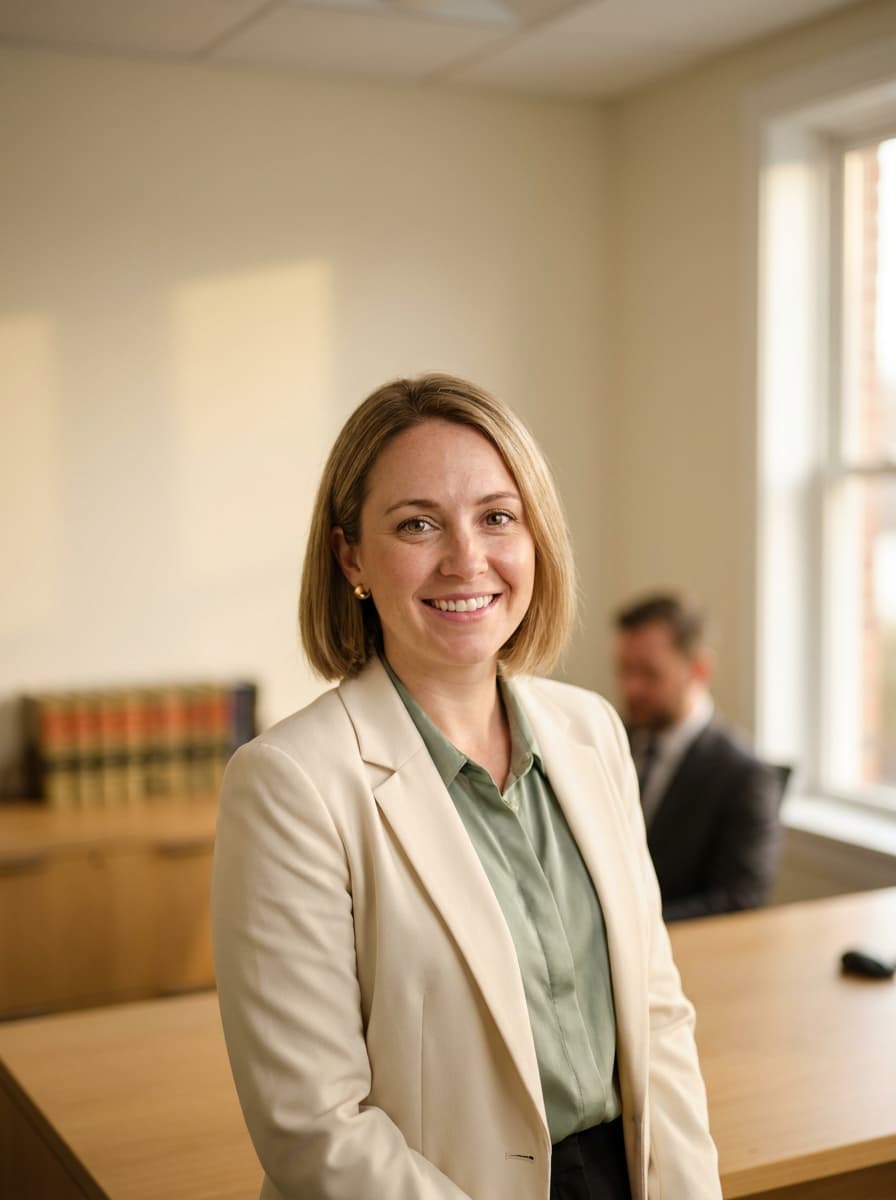
“When I'm in court I can't answer my phone. NextPhone handles the intake and books the consult. I come back to a calendar, not a voicemail box.”

“Tax season my phone doesn't stop. NextPhone handles intake, qualifies prospects, and books discovery calls. I focused on returns, not phone tag.”
One captured appeal at the federal cap covers about 46 months of NextPhone.
| NextPhone | Traditional Answering Service | In-House Intake Specialist | |
|---|---|---|---|
| Monthly cost | From $199, flat monthly | Smith.ai $300 at 30 calls to $2,100 at 300 calls | $3,500–$4,200 |
| Annual cost | $2,388 | Smith.ai $3,600 to $25,200 | $42,000–$50,400 |
| After-hours coverage | 24/7/365 | Yes (higher rates) | Not included |
| Captures denial-letter date | Yes - every call | No - messages only | If trained |
| Flags <14 day deadlines | Automatic escalation | Not included | Manual review |
| Clio / MyCase sync | Automatic | Not included | Manual entry |
| Concurrent calls | Unlimited | Plan-dependent | 1 at a time |
| Per-minute overage | None | Published: $1.28 to $5.40/min | N/A |
Monthly cost
Annual cost
After-hours coverage
Captures denial-letter date
Flags <14 day deadlines
Clio / MyCase sync
Concurrent calls
Per-minute overage
Before you forward
your line.
The practical details before putting NextPhone on your business line.
Still have questions? Contact our support team
Yes. The AI asks for the denial-letter date on every disability intake call and calculates the remaining appeal window. If the deadline is within 14 days, the call is escalated immediately. Your on-call attorney gets a text and phone alert with the caller still on the line for direct transfer. Less urgent denials get booked into the next available consultation slot. You set the urgency thresholds.
Yes. NextPhone runs a branched intake script that first identifies the disability category: SSDI (work-credit based), SSI (needs-based), ERISA long-term disability (private insurer), VA disability rating, or state workers-comp permanent disability. Each path has its own follow-up questions: work-credit history for SSDI, household income for SSI, group plan and insurer for LTD, branch of service and current rating for VA. Non-qualifying callers get a polite referral message you define.
No. The AI is configured to never opine on case merits, eligibility, or strategy. If a caller asks "do I have a case" or "should I appeal," it responds that the attorney will review the file and explain options at the consultation. The intake script captures facts only: denial date, prior applications, work history, treating physician, conditions claimed. Your attorney makes every legal determination.
The AI captures the full procedural history - initial denial, reconsideration denial, ALJ hearing requested or completed, Appeals Council review, federal court. If a caller mentions an ALJ hearing is already scheduled, the call is flagged as urgent. The intake notes show exactly where in the appeals process the claimant sits, so your team walks into the consultation already knowing whether you are filing a request for reconsideration, prepping testimony, or briefing the Appeals Council.
Yes. Clio, MyCase and Lawmatics are native integrations on the $299 Growth plan, and our team connects them for you. With Clio Manage, the caller becomes a contact and the consultation is booked on your Clio calendar. With Clio Grow, a lead lands in your Lead Inbox with the call summary and every intake answer. MyCase gets a new lead in your Leads pipeline with the summary, intake answers and recording link; Lawmatics gets a new prospect from your own intake form. Disability category, denial date, work history and treating physician travel with the lead as intake answers. NextPhone does not create matters. PracticePanther, Smokeball and 6,000+ other apps connect via Zapier.
The AI supports 14 languages including Spanish, which matters in disability work where many claimants prefer to be interviewed in their first language. The AI is also trained to slow down, repeat questions, and confirm details rather than rushing. If a caller is too difficult to intake by phone, the AI captures the contact information and routes to your team for a human callback, with the partial transcript attached.
NextPhone's flat monthly plans start at $199 for unlimited calls. No per-minute billing, no overage fees, no setup. Ruby starts at $250/month (50 minutes) and its help center lists $3.65 to $5.40 a minute past the plan's minutes, which matters in disability work where intake calls run 8-12 minutes capturing claim history. PATLive starts at $49/month (pay per use at $2.99/min), or $99/month for 50 minutes with $1.69 to $2.29 a minute past the allowance. Smith.ai is $300/month for 30 calls answered by people (prices read October 5, 2026). One captured back-pay fee covers nearly four years of NextPhone.
You decide the rules. The AI can ask gating questions you define - is the claimant currently working full-time, have they applied at all, do they have a denial letter - and route non-qualifying callers to a courteous referral message rather than booking them. Most firms prefer to capture everyone and let the attorney triage, since SSI applicants who look ineligible on paper sometimes have facts that change the analysis. Either way, the AI does not turn anyone away without your instructions.
No. When someone who has called before rings again, NextPhone already knows the stage their claim is at, the deadlines on file, and what the last call covered, so your regulars are not run through the same questions every time. You can see and change everything it has learned on the contact record.
See a live demo and have NextPhone answering calls in under a week.
Disability practices live and die by the 60-day appeal clock. A claimant who calls 5 days after a denial and hits voicemail is 3 firms deep by the time you call back tomorrow. SSDI cases convert at unusually high rates because the alternative is no benefits at all - but only if the firm picks up. NextPhone answers every call, captures denial-letter dates, work history, and treating physician details, and flags appeal deadlines under 14 days for immediate attorney transfer.